
Most foundation repairs in Chattanooga go ahead on a measured evaluation alone. An independent structural engineer is worth the fee when slope stability, valley karst or a disputed diagnosis is involved, because that judgment is not something contractors sell. Next to repairs costing $4,000–$15,000, an independent opinion is inexpensive protection.
What each evaluation delivers, the slope cases that demand a stamp, and the sequence.
What did you just notice?
Most people reach this question after seeing one thing and not knowing how worried to be. Typically it is a crack now wide enough to take a coin, a door that quit latching this season, a floor that seems to run downhill toward one wall, brick that has stepped apart over a window, or a survey report that mentioned movement without putting a number on it.
None of those by itself means you need an engineer. The deciding question is whether anyone disputes the cause, because settling that is what an engineer is paid for, and a contractor cannot settle it about their own quote. If a crack is growing and everyone agrees why, a measured evaluation is enough. If two companies have looked at the same wall and given you two different explanations, that is the moment an independent opinion earns its fee.
If it is urgent (a wall visibly bowing, a floor sinking over days rather than seasons, water turning up somewhere it never has), the order flips. Have it looked at right away, and work out who was right later.
Same instruments, different products
Both kinds of evaluation start the same way: elevations, crack widths, plumb readings, and on this terrain a walk of the slope to see where water runs, what the retaining walls are doing and how the cut is holding. The contractor's comes back as a measured report with a priced scope: real numbers attached to a bid from someone with a stake in it, which is how any contractor’s diagnosis should be read. The engineer’s comes back stamped and tied to no sale, and on slope questions it includes analysis that only an engineer is qualified to give.
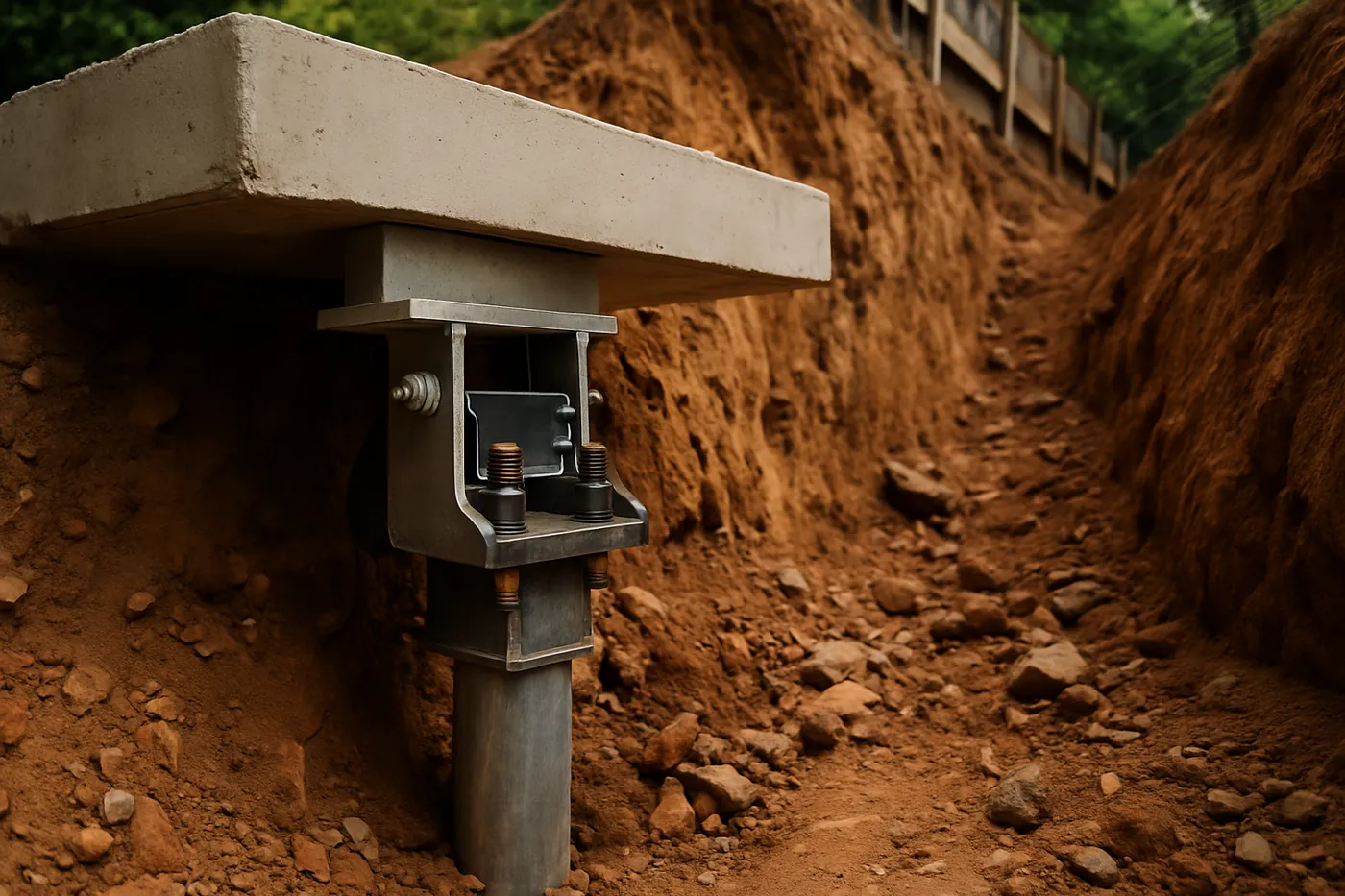
Who to call first, by situation
| Situation | Start with | Why |
|---|---|---|
| Cracks or slopes in the floor, staying put | Contractor evaluation | Measured, priced; ask if the visit is charged: the ordinary case |
| Signs the hillside itself is moving | Geotechnical engineer | Slope stability is designed, not braced |
| Valley-floor movement ignoring the seasons | Engineering review + records | The karst question precedes repair design |
| Buying a hillside house | Independent engineer | The slope’s risk needs unsold pricing |
| Bids naming different causes | Independent engineer | Settlement vs creep take different repairs |
| Storm-claim causation fight | Independent engineer | Stamps move adjusters; adjectives don’t |
The two Chattanooga cases that demand the stamp
The slope itself. When measurements suggest the hillside is creeping (not one footing settling, but the ground the house stands in easing downslope) the repair is a stability design, not a pier count. A good contractor flags that case rather than bidding it, because settlement and creep take different answers and only one of them is a contractor's to sell. The valley floor. Karst-flagged movement gets records and engineering review before steel, for the same reason everywhere: load transferred downward requires downward to be sound. The insurance page covers the adjuster version of both fights.
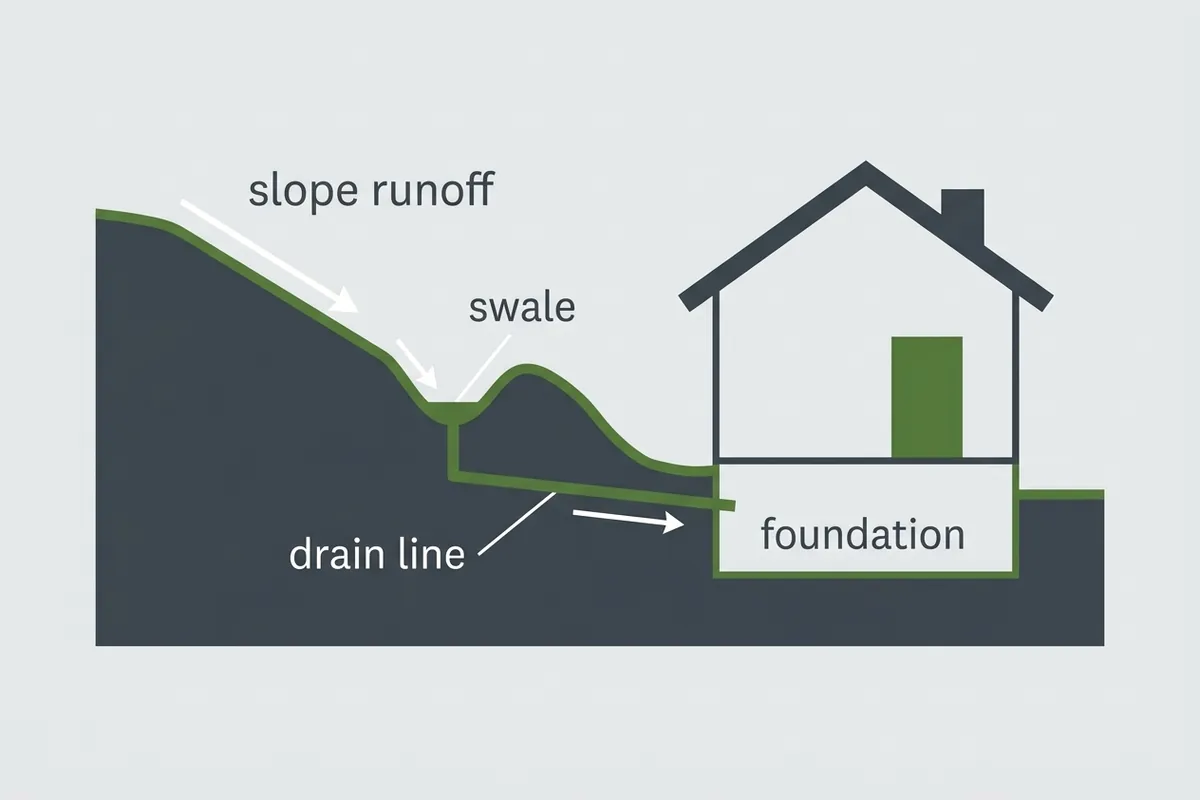
When both are on a foundation repair job
The engineered order goes: read the ground where the slope or karst calls for it, design the repair, then install to the design, with each pier’s torque or refusal recorded against the specification so it can be checked on paper. At the end you should hold the ground report if one was needed, a stamped design, a record of the installation and written warranty terms, which is the set of papers a hillside buyer’s inspector asks for. Prices are in the cost guide.
What a report worth paying for contains
Weigh what the report says, not the letters after the name. A report worth paying for has four parts: an elevation survey given in numbers instead of adjectives, a stated cause, a specific remedy (pier type, spacing, and the depth or capacity it has to reach) and the stamp behind all three. For the hillside and karst questions that send Chattanooga owners to this page, it should also say outright whether the ground itself is the problem, since piers designed around an unstable slope fix the symptom and leave the cause running. Avoid paying for a letter that lists the cracks you already found and closes with “consult a foundation contractor.” File whatever you receive: Tennessee sellers have to disclose known structural conditions, and a stamped cause plus a finished repair is the strongest disclosure you can hand a buyer.
Engineer questions, straight answers
Do I need an engineer before getting Chattanooga repair bids?
Usually not. A measured evaluation gathers the same field data: elevations, crack maps, wall plumb and the slope walk. The stamped version is worth paying for when independence or specialist judgment is the whole point: slope-stability questions, a karst flag on the valley floor, buying a hillside house, or bids that blame different causes.
When is the engineer non-negotiable here?
Slope-stability territory: movement suggesting the hillside itself, not just a footing, is creeping, retaining walls sharing load with the house, or any repair whose design depends on how the slope behaves. That's geotechnical judgment with a stamp, and steel placed without it on a moving slope is money and safety both misspent.
What about buying a hillside house?
The strongest routine case in this metro. A slope house carries its history in its cracks, its walls, and its relationship with the hill, and a purchase negotiation needs a number nobody profits from. A stamped pre-purchase review, fed by measured elevations and the retaining-wall condition, prices the slope's risk into the deal.
What does the stamp add to the same measurements?
Independence, and on slopes, rigor. A specialist's evaluation is measured, but it comes attached to a bid, and any contractor's diagnosis should be read with that in mind. An engineer's report comes attached to nothing, and on slope or karst questions it carries a judgment no contractor sells: stability analysis is engineering work, not contracting.
Will a contractor install to an engineer's specifications?
A good one will, and on jobs flagged for slope or karst the order matters: read the ground, design the repair, then install the steel. Ask for the engineer's scope to be bid line by line, with each pier's torque or refusal recorded against it so the work can be checked on paper. If the contractor thinks the design misreads the measurements, they should put that in writing to you and to the engineer.
Can the contractor's engineer count as independent?
Only if you understand how that works. Many contractors keep a licensed engineer on call to stamp their repair designs, and that is genuine engineering, but it is engineering for that contractor's scope, not an outside check on whether the scope is right. If your question is whether the house needs this repair at all, hire your own engineer so you are the only client.
Get a Chattanooga foundation evaluation
Tell us what the house is doing (stair-step cracks, a wall pushed in on the uphill side, water crossing the lot, sloping floors) and we'll pass it to one independent local specialist for an evaluation. You get a call back from a local specialist who serves Chattanooga.